
back to insights & opinions
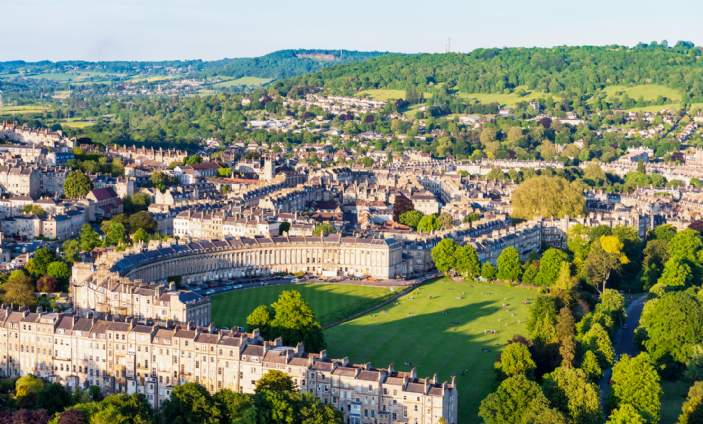
For years, the dream for many London families has been to swap city life for the full country experience: muddy walks, wellies by the back door, more space and an altogether different pace of life. During Covid, that desire accelerated dramatically. What is perhaps less discussed is that some families who made the leap subsequently found themselves drawn back to London, missing the energy and convenience of city life, or finding their daily commute and logistics too challenging.
Then there are those who never quite made the move. They want more space, beautiful countryside and a less frenetic pace of life, but not necessarily the full rural experience. For London’s more creative families in particular, there can be a reluctance to give up the cultural energy, independence and spontaneity of the city altogether.
This is where Bath becomes particularly interesting. While the Cotswolds has long been the obvious destination for Londoners looking west, Bath offers a different proposition: the countryside is every bit as accessible, but there is a city at its heart.
Those of us who know Bath and its surrounding countryside understand why that distinction matters. Describing it as a compromise would do it a disservice. Stunning countryside sits on its doorstep, but so too do museums, independent shops, an exciting food scene, glorious Georgian architecture and a strong creative community. For families coming from London, it can feel less like leaving one life behind and more like finding a different version of it.
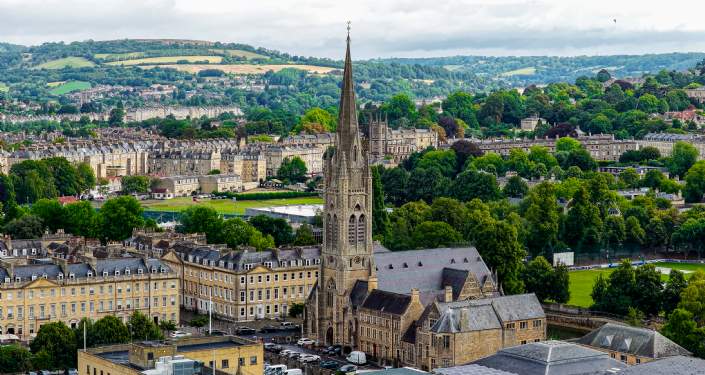
Bath and the Cotswolds offer distinctly different interpretations of life outside London. Tetbury, for example, and its surrounding villages provide the intimacy of genuine country life: beautiful landscapes, communities formed through pony clubs or local cricket clubs, and the sense of space that draws so many families west in the first place. But for buyers who thrive on people, ideas, culture and a degree of spontaneity, Bath can offer something the deeper countryside cannot.
There are concerts and galleries, restaurants and independent shops, schools, cafés and a constant sense of people coming and going. Yet within minutes you can be walking through open countryside to your favourite pub or driving home to one of the villages surrounding the city.
For London's creative families, that balance can make Bath a particularly persuasive alternative to the Cotswolds. There is room to breathe, but not at the expense of stimulation. Increasingly, I think the question for buyers is therefore not simply, “Do we want to leave London?” but rather, “How rural do we actually want to be?”
For some families, the answer will always be a country house with private acreage, on the edge of, or close to, a village. For others, what they are really seeking is more space, beautiful surroundings, strong schools and a different pace of life, without giving up the culture, convenience and independence they have become accustomed to in London. For those buyers, particularly those drawn instinctively to London’s more creative neighbourhoods, Bath is not necessarily the halfway house. It may actually be the more interesting choice.
About the Author

More articles
by author
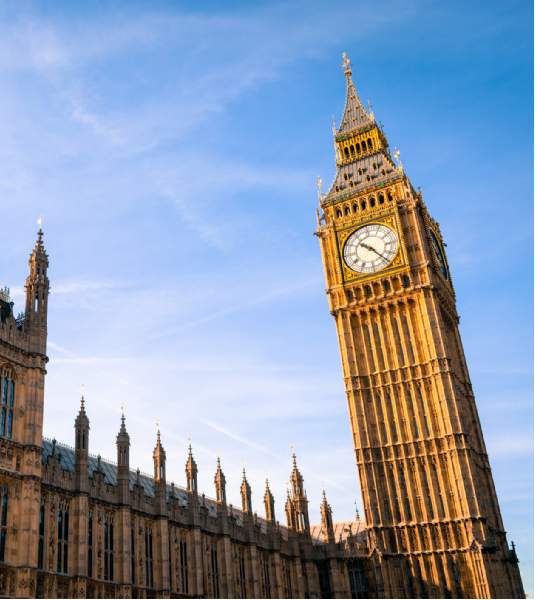
Heritage cities - why they continue to command a premium
Prime Purchase directors Guy Meacock and Lucy Worcester dive into the latest Savills Prime UK Residential report to explore the heritage cities of Westminster and Bath
READ ARTICLE