
back to insights & opinions
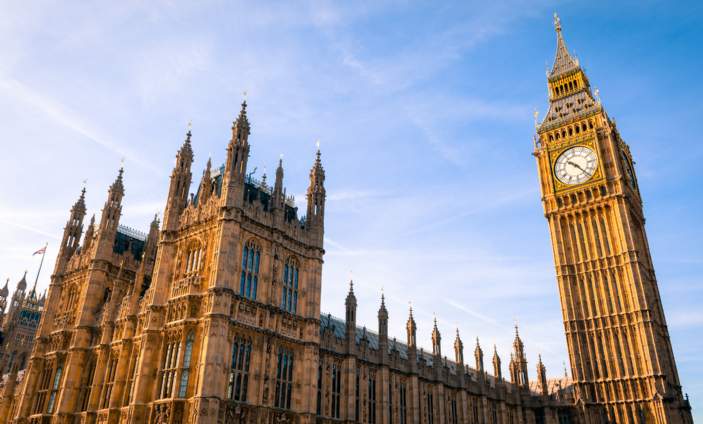
From Bath to Winchester, heritage cities continue to command a premium. Prime Purchase directors Guy Meacock and Lucy Worcester discuss the best areas to consider if a move to one of these cultural capitals appeals
Recent Savills research notes that properties in conservation areas carry a 32 per cent average house price premium and highlights a shortlist of the most desirable heritage cities. Top of the list, ranking desirability by reference to how the average house price in each shortlisted city compares to its wider regional equivalent, is the City of Westminster, while Bath, with its plethora of crescents and circuses, also features in the top five.
This simply reinforces what we see every day. We’ve recently helped clients relocate to Belgravia and Mayfair (City of Westminster) and Bath. Below, we lift the lid on these areas.
City of Westminster - Guy Meacock
"Even though it boasts 3,934 listed buildings and 75 per cent of the borough is in a conservation area, it is not surprising that when international clients talk about Westminster, it’s the Houses of Parliament and Big Ben which spring to mind. Many may be surprised to hear that the borough contains a number of urban villages varying in appeal, price and quality in terms of architecture.
As well as some of the most desirable real estate in the UK in Belgravia and Mayfair, with everything from mews to big stucco houses, there is a huge variation in architecture in Soho and Covent Garden (a significant proportion of which is in Westminster). There are great inequalities in terms of value – in Pimlico, which was badly bombed during the second world war, the most expensive properties sell for less than half what you would pay for a top property in Belgravia.
The real difference compared with other parts of London is that Westminster has a few landlords who manage and oversee the area to its huge benefit. The Grosvenor Estate owns significant swathes of Belgravia and Mayfair, areas which have outperformed other parts of the borough. The beauty of oversight and ability to manage all the elements, from commercial to residential and retail, brings a sophistication to the streetscapes and attracts the right tenants.
The same is true of Marylebone, with its two principal landlords – the Howard de Walden and the Portman Estate. Marylebone is another success story and is right back on the map with a thriving, quality high street and desirable amenities. Whether it’s Daylesford, a branch of Daunt Books or a boutique clothes shop – a thriving high street requires support from a big, landed estate – and arguably this is as important as well-maintained garden squares and beautiful architecture.
Twenty years ago, Covent Garden was known as a place to go out in rather than live but the Crown Estate has since invested an enormous sum, with Floral Street now attracting the better commercial tenants. Pedestrianised parts mean it is now walkable, and while there is still very little residential offering, the area has been revived.
Bayswater is also being put back on the map with heavy investment in Queensway and the redevelopment of The Whiteley, an iconic London landmark, which are helping reinvigorate the area. Such revivals can take time but some argue that Bayswater will be London’s next hotspot."
Bath - Lucy Worcester
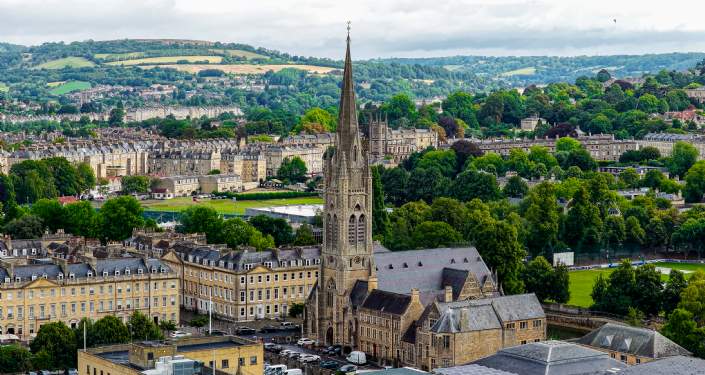
"Much of the appeal of Bath is down to the quality of its Georgian buildings, which is one of the most popular historical architectural styles. As the Savills report references, while others contain buildings recognised by UNESCO, Bath, along with Edinburgh, are the only two conurbations in the UK with more widespread World Heritage Status. With 2,276 listed buildings – the highest number are found in Central Bath and Lansdown - and 49 per cent of it in a conservation area, it is no surprise that Bath is a popular option among clients.
Historically, notable addresses in Bath were owned by large private Estates, such as the Bathwick, Crane and Apsley Estates, and in some instances, they still own the freehold of individual houses, so buyers purchase a long leasehold. This requires careful explanation as it can feel an alien concept to house buyers, especially those from overseas.
Ultimately, those areas that are still owned by Estates are carefully preserved and managed, such as the famous Royal Crescent. Bath’s conservation area is one of the most historically significant and tightly protected urban zones in the UK, designated in 1968 to safeguard the city’s unique (and often Grade I or Grade II listed) Georgian architecture, Roman heritage, and historic urban fabric. Its goal is to preserve the character, appearance, and historic townscape of Bath, preventing inappropriate development that would harm its architectural integrity. What that leaves us with is a deep feeling of history and belonging when in the city, which is very grounding when coupled with far-reaching vistas of rolling hills in the distance.
Many clients have families and wish to escape London, with Bath offering a comfortable solution. Bath and its surrounding villages provide access to city life but in a more rural setting with excellent school options. It’s just over an hour from London by train, so it’s commutable.
There are wonderful pockets of Bath, all with their unique selling points, such as Widcombe, Lyncombe Hill and Sion Hill, but properties rarely become available as they are often generational holds. My job is to get under the skin of what a buyer needs from their next home and help guide them to specific areas, saving time. Unlocking opportunities requires knowing the right people and having a buying agent who understands this and makes approaches on your behalf is hugely beneficial.
Pricing is nuanced so you need historic data to work from, as well as understanding the motivation behind the sale, which is something we can bring. We are also seeing wealthy buyers with young families wanting a country house close to Bath so that they can achieve the balance of country and city life at weekends and in school holidays. Not only are these properties like hen’s teeth but the villages themselves are all nuanced and it takes time to understand their vibes. We help clients get a proper feel for the different micro locations before rooting out opportunities through our contacts and property database that stretches back over twenty years."
The Savills Prime UK Residential report is available here
About the Author


More articles
by author
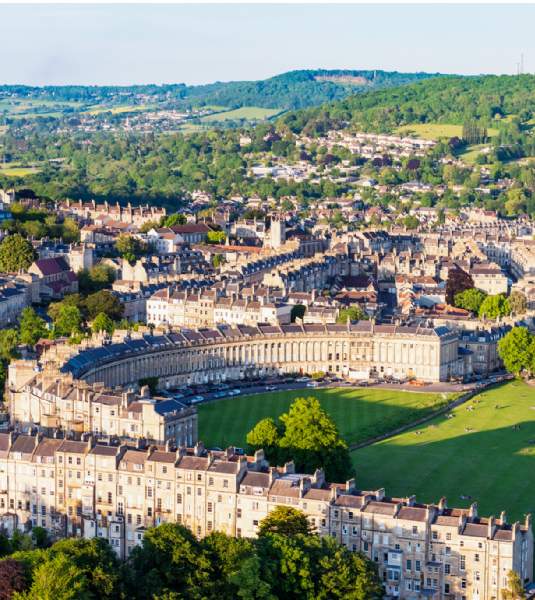
The new London escape: why families are choosing Bath instead of going fully rural
Bath is attracting buyers who are drawn instinctively to London's more creative neighbourhoods
READ ARTICLE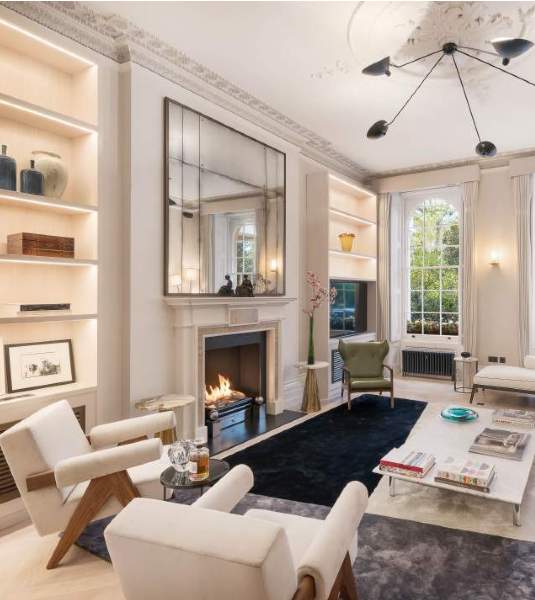
What next for buyers in prime central London?
Guy Meacock takes a look at their options
READ ARTICLE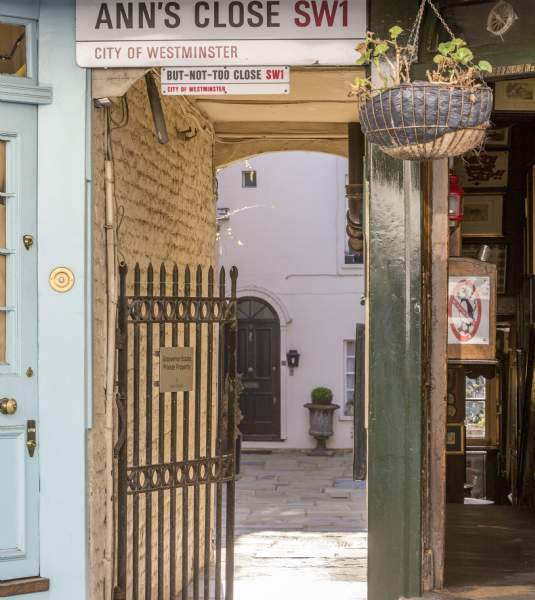
How to make your home stand out in a crowded market (The Telegraph)
"Be prepared," says Guy Meacock of Prime Purchase. "If you are selling a leasehold flat, get in touch with the management company - have three years of service charges and accounts lined up."
READ ARTICLE
Considering buying this summer? We look at how the market is faring in London and the country
Charlie Wells, managing director of Prime Purchase, and Guy Meacock, director and head of the London office, discuss the housing market in the country and London with tips for buyers looking to make a move this summer
READ ARTICLE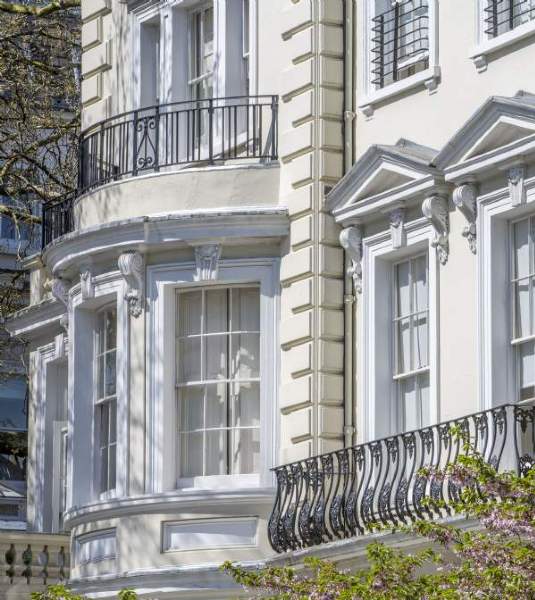
What's in store for Prime Central London in the second half of 2025?
It is a truism that many markets are sentiment-driven, perhaps none more so than the residential housing market.
READ ARTICLE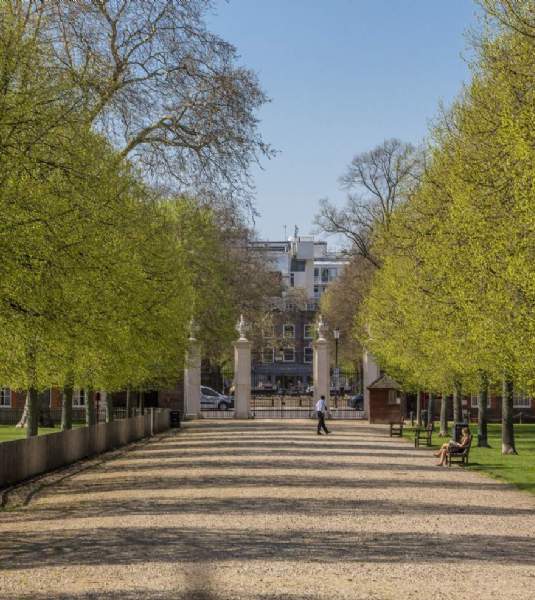
The enduring American love affair with London
There has been much press coverage regarding wealthy Americans flocking to London following the election of Donald Trump as President, but the popularity of UK property among American buyers has been consistently high for a while.
READ ARTICLE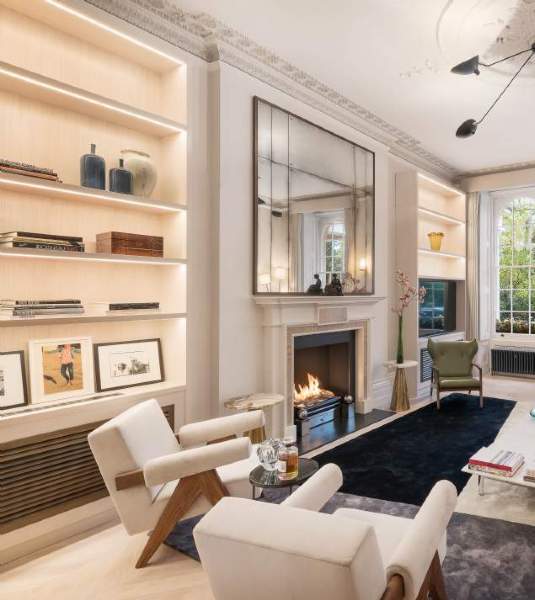
Why discretion is key in the £10m-plus London market
The glamorous world of high-end prime property has been in the spotlight recently with Netflix showcasing agents selling homes to wealthy buyers in London.
READ ARTICLE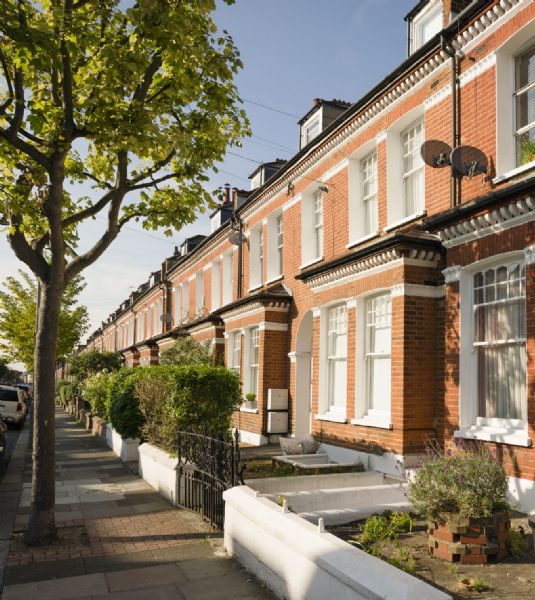
Game, set and match – Wimbledon Village
SW19 is best known as the home of tennis but there is much more to Wimbledon than that. Wimbledon Village is one of the best examples of an urban village, retaining its historic air and sense of separation, not least because it sits on a hill and has a
READ ARTICLE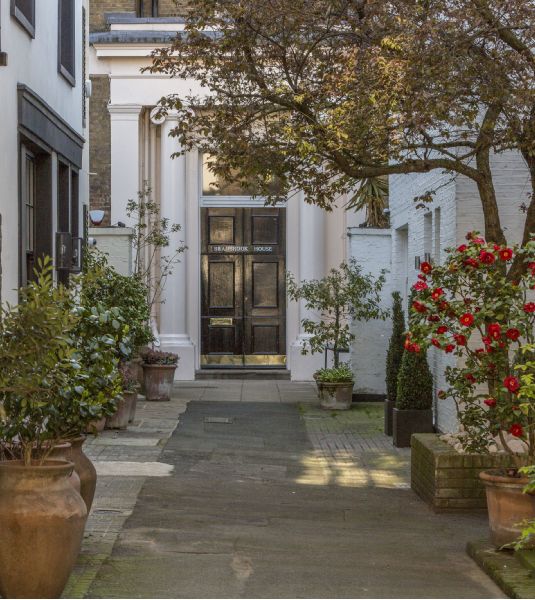
What a Trump victory could mean for the London property market
With Prime Minister Theresa May focused on a hard Brexit and Chancellor of the Exchequer Philip Hammond warning that there are two years of uncertainty ahead, it is not clear how things will play out for the London property market.
READ ARTICLE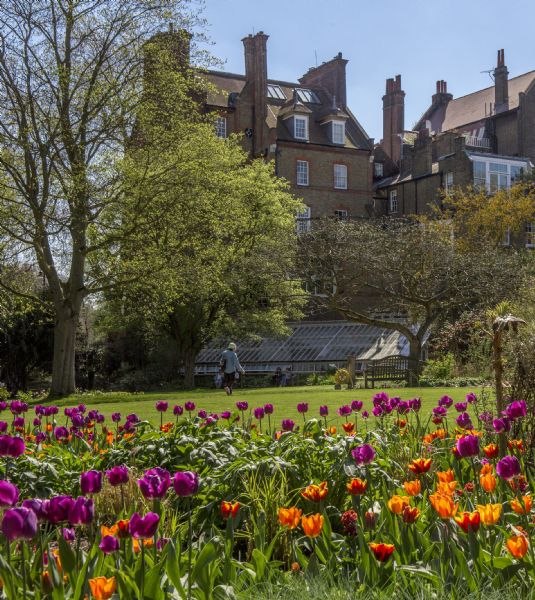
London on strict diet to healthier, more balanced market
Those buying a second home or investment property may be keen to complete before 1 April to avoid paying an extra 3 percentage points on each tier in stamp duty.
READ ARTICLE